About Us
Our dental care approach focuses on accurate diagnosis, timely treatment, and preserving natural teeth whenever safely possible. Patients looking for cracked tooth treatment in Nigdi, Pimpri Chinchwad, and Pune can seek professional evaluation for symptoms such as sharp biting pain, sensitivity, visible cracks, swelling, or discomfort after dental trauma. The goal is to identify the extent of the fracture and recommend an appropriate treatment option based on the condition of the tooth.
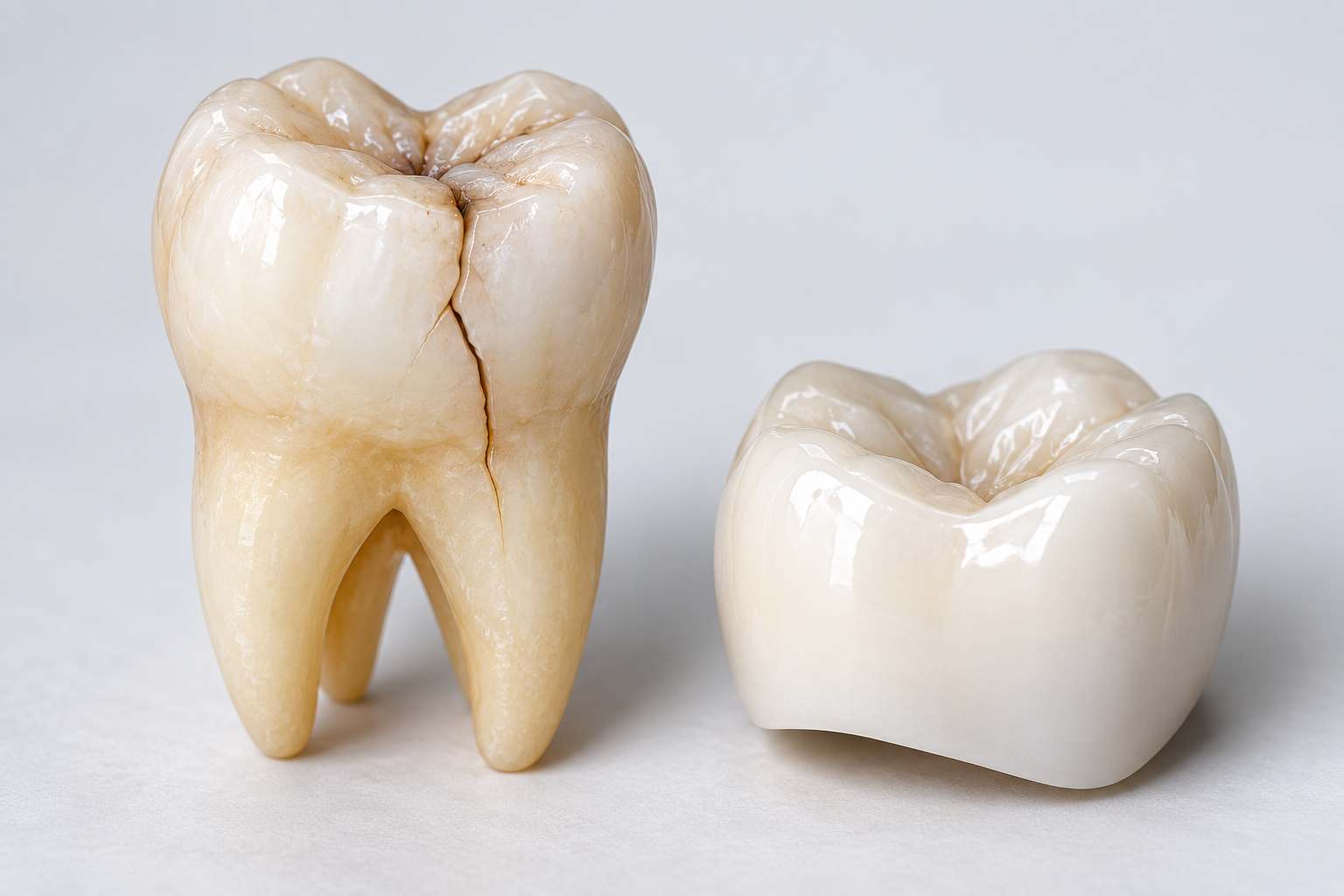
Discovering a fracture in your enamel can be alarming, but professional care is essential. Many people trust home remedies or natural tooth preservation methods, but dental structures cannot heal themselves. Professional cracked tooth treatment is essential because chewing pressure can expand small fissures and cause severe discomfort.
Common triggers include biting hard objects, facial trauma, or chronic grinding habits. Large fillings may weaken oral health over time, so seek cracked tooth repair early to prevent infection or permanent loss. Addressing cracked tooth pain promptly helps keep your smile healthy and functional for years.
Key Takeaways
Dental fractures require immediate professional evaluation rather than home care.
Natural healing is not possible for damaged enamel or dentin.
Chewing pressure can worsen existing damage if left unaddressed.
Common causes include grinding, clenching, and biting on hard items.
Timely intervention prevents infections and potential extraction.
Cracked Tooth Symptoms and Urgent Warning Signs
Spotting early signs of a fracture can help you avoid complex, costly treatment later. Although enamel is very strong, tiny cracks can grow and weaken the whole tooth. Knowing these changes helps you seek professional care before the damage becomes permanent.
Common Symptoms of a Cracked Tooth
Sharp Pain When Biting or Releasing Pressure
One of the most common cracked tooth symptoms is a sharp jolt of pain when you bite down on food. This pain often starts when you release pressure because the tooth sections move apart. If this happens often, a fracture may be present.
Sensitivity to Hot, Cold, or Sweet Foods
Persistent tooth sensitivity is another common warning sign. A crack can expose inner tooth layers, leaving nerves open to temperature changes and sugary foods. You may feel a lingering ache after a cold drink or something sweet.
Intermittent Pain That Is Difficult to Localize
Many patients report cracked tooth pain that comes and goes without a clear pattern. Because it comes and goes, finding the exact tooth can be difficult. It often flares during meals and fades when the tooth rests.
Signs That Require Immediate Dental Attention
Facial Swelling, Fever, or a Gum Abscess
If you have facial swelling, a lasting fever, or a small gum bump, you need urgent dental care immediately. These signs may mean bacteria entered the crack and infected the pulp or nearby bone. Ignoring them can let infection spread and threaten your overall health.
A Visible Crack, Loose Tooth, or Broken Fragment
Sometimes, damage is easy to see. If you see a line, feel a loose section, or lose a tooth piece, contact your dentist promptly. Even without pain, the tooth is weakened and needs professional stabilization.
Severe Pain After Trauma or an Accident
Any major mouth injury, such as a fall or sports injury, needs prompt evaluation. Even without bleeding, the impact can cause hidden internal fractures. Seeking urgent dental care after an accident can find hidden damage before it worsens.
Why Delaying Treatment Can Threaten the Tooth
Delaying treatment is risky because cracks can spread over time. As a crack deepens, bacteria can reach the pulp and cause painful inflammation or abscesses. Early treatment is the best way to save your natural tooth and avoid extraction.
How a Dentist Diagnoses a Cracked Tooth
Accurate cracked tooth diagnosis combines your history with careful clinical testing. Cracks are often microscopic, so your dentist must investigate the source of your pain.
Medical and Dental History Review
Recent Biting Injury, Grinding, or Dental Work
Your cracked tooth dentist will first review your recent history. They will ask about jaw blows and nighttime teeth grinding.
Previous dental work, such as large fillings, can weaken tooth structure over time. These details help locate the possible fracture.
When the Pain Appears and What Triggers It
Understanding your symptoms supports a successful dental examination . Describe exactly when pain occurs and which actions trigger it.
Does the pain happen when you bite down?
Is there a sharp sensation when you release your bite?
Do hot or cold temperatures cause lingering discomfort?
Clinical Tests Used to Identify Cracks
Visual Examination and Dental Magnification
A visual check often misses hairline fractures. Dentists use strong magnification or dental microscopes to find tiny fissures hidden from the naked eye.
Bite Tests, Cold Testing, and Pulp Assessment
The dentist may perform physical tests to confirm the diagnosis. These tests show whether the crack has reached the tooth's inner pulp.
Checking the Gums for Localized Inflammation
The dentist will inspect the gum tissue around the suspected tooth. A narrow, deep gum pocket often signals a vertical root fracture needing immediate care.
Dental Imaging and Diagnostic Limitations
Periapical X-Rays and Additional Imaging When Needed
While tooth crack imaging helps, standard X-rays may miss cracks running parallel to the film. Periapical X-rays provide a baseline but may need other tools for a clearer view.
Why Some Cracks Require Careful Monitoring or Exploration
Sometimes, a crack stays hidden despite a thorough dental examination . In such cases, your cracked tooth dentist may recommend monitoring symptoms over time.
If pain continues, they may suggest an exploratory procedure to confirm the damage's extent. Advanced tooth crack imaging and clinical observation remain the gold standard for protecting your long-term oral health.
Cracked Tooth Treatment Options Based on Severity
The right cracked tooth treatment depends on the fracture's depth and location. Dentists check the tooth's strength before choosing a simple repair or complex restoration. Finding damage early can help save your natural tooth.
Stabilizing Minor Enamel Damage
Minor cracks affect only enamel, the tooth's outer layer. These surface lines usually cause no pain and need no invasive treatment.
Polishing or Smoothing Small Surface Irregularities
If a crack creates a rough edge, your dentist can gently polish the area. This smooths out the surface and prevents tongue or cheek irritation. It offers quick, non-invasive care for minor damage.
Fluoride Care and Monitoring for Early Changes
Professional fluoride treatments can strengthen enamel around very small fractures. Your dentist will monitor the area during routine checkups. This proactive care supports long-term dental health.
Restoring a Tooth With a Manageable Crack
A deeper fracture requires stronger tooth fracture treatment to restore function. These methods protect inner layers from bacteria and further splitting.
Dental Bonding for Small Chips and Limited Fractures
Dental bonding uses tooth-colored resin to fill small chips or cracks. A special light hardens the resin, sealing the fracture and restoring the tooth's natural look.
Inlays or Onlays for Larger Areas of Lost Tooth Structure
Inlays or onlays offer a durable solution when more tooth structure is damaged. These custom restorations fit into or over the damaged area. They provide more strength than a standard filling.
Dental Crowns to Hold and Protect a Weakened Tooth
A dental crown covers the tooth's entire visible portion like a protective cap. It holds the structure together and stops the crack from spreading during chewing.
Root Canal Treatment for Pulp Involvement
A crack reaching the tooth's center may expose the pulp to bacteria. This can cause pain and may require treatment to save the tooth.
Removing Inflamed or Infected Pulp Tissue
During a root canal treatment , the dentist removes damaged pulp from inside the tooth. This eliminates infection and relieves ongoing pain.
Sealing the Root Canals and Restoring the Crown
After cleaning the canals, the dentist seals them to prevent future infection. A crown then covers the tooth for needed support and protection.
Extraction and Tooth Replacement for an Unrestorable Fracture
Sometimes, damage is too severe to save the natural tooth. In these cases, tooth extraction helps prevent bone loss and infection.
When a Crack Extends Below the Gum Line or Splits the Tooth
A fracture below the gum line or a split tooth often cannot be repaired. The damaged structure becomes unstable for any restoration.
Implants, Bridges, and Dentures as Replacement Options
After removal, you have several replacement options. Modern dentistry can restore your smile and chewing ability:
Dental Implants: A permanent, natural-feeling replacement for a missing tooth.
Dental Bridges: A fixed option that uses adjacent teeth for support.
Dentures: Removable appliances for replacing one or more missing teeth.
Choosing the Most Conservative Safe Treatment
The goal of broken tooth treatment is to preserve as much natural tooth structure as possible. Dentists in India favor conservative care to keep your smile healthy for years.
What to Do Before and After Cracked Tooth Treatment
Care before and after your visit supports successful tooth fracture treatment . These steps can limit damage and ease discomfort while you wait for professional help.
Immediate Care Before Seeing a Dentist
Rinse Gently and Keep the Area Clean
Begin your cracked tooth first aid by rinsing your mouth with warm salt water. This removes debris and helps prevent infection.
Choose Soft Foods and Avoid Chewing on the Affected Side
Choose soft foods, such as yogurt, mashed potatoes, or smoothies, to reduce pressure. Chew on the opposite side to protect the damaged tooth from more stress.
Use a Cold Compress for External Swelling
If your face swells, place a cold compress outside your cheek. Hold it there for 15 minutes at a time to reduce swelling and soothe nearby tissues.
Use Pain Medication Only as Directed
Over-the-counter pain relievers can ease sensitivity. Follow the label dosage, or ask your pharmacist about safe use.
Actions That Can Worsen a Cracked Tooth
Do Not Apply Aspirin Directly to the Gum
Never place aspirin or other painkillers on gum tissue near the crack. This can cause a chemical burn and harm your oral health.
Do Not Try to Glue or File the Tooth
Do not use household glue or files to fix a broken tooth. These items are unsafe in your mouth and may cause severe or permanent damage.
Do Not Ignore Pain That Temporarily Improves
Pain from a crack may stop, but the tooth has not healed. Ignoring it can cause deeper fractures that need more complex broken tooth treatment later.
Recovery After Dental Treatment
Following Eating, Cleaning, and Medication Instructions
Successful dental treatment recovery depends on good care after the procedure. Follow your dentist’s advice about oral hygiene and diet so the restoration sets properly.
Returning for Crown Placement or Follow-Up Examinations
If you received a temporary restoration, return for your permanent crown as scheduled. Follow-up exams help your dentist track healing and support long-term success.
How to Protect Your Smile After Cracked Tooth Treatment
After your tooth is restored, your journey toward a healthy smile continues with daily care. Consistent tooth protection helps your dental work stay strong for years.
Daily Habits That Reduce the Risk of Further Damage
Brushing With Fluoride Toothpaste and Cleaning Between Teeth
A clean mouth supports good oral health. Brush with fluoride toothpaste twice daily to strengthen enamel and prevent decay around your restoration.
Clean between your teeth with floss or interdental brushes. Removing plaque prevents inflammation that could weaken your treated tooth.
Attending Routine Dental Checkups and Professional Cleanings
Regular dental checkups help your dentist find problems early. During visits, your dentist can check your crown or filling.
Professional cleanings remove hardened tartar that brushing cannot reach. This keeps your gums healthy and supports your restored tooth.
Managing Teeth Grinding and Clenching
Recognizing Nighttime Grinding and Jaw Tension
Many people grind their teeth while sleeping without knowing it. A sore jaw or ongoing headaches after waking may signal bruxism.
Bruxism puts heavy pressure on your teeth and can cause new cracked tooth symptoms . Finding these signs early can prevent more structural damage.
Using a Dentist-Fitted Night Guard When Recommended
A custom night guard cushions your upper and lower teeth. It absorbs grinding force and protects your restoration from excess wear.
Unlike over-the-counter options, a dentist-fitted device provides a precise fit. This comfort supports regular use, which helps long-term success.
Preventing Sports-Related and Accidental Tooth Injuries
Wearing a Properly Fitted Mouthguard During Contact Sports
If you play contact sports, a mouthguard is essential. It protects your teeth from impacts that could fracture or dislodge dental work.
Avoiding Ice, Hard Candy, and Non-Food Objects
Hard items can damage even strong dental materials. Avoid chewing ice, hard candies, or pens to help prevent accidental fractures.
Monitoring a Restored Tooth for New Symptoms
Modern restorations can last 10 to 15 years, but you should still stay alert. Sensitivity to cold or pain when biting may signal a new problem.
Cracked Tooth Treatment Cost and Dental Care Planning
Many patients in India worry about saving a cracked tooth, but planning can make costs manageable. Knowing what affects treatment helps you find affordable dental care without lowering quality. Early planning helps you receive the right treatment at the right time.
Factors That Influence Cracked Tooth Treatment Cost
Type and Location of the Crack
The fracture’s complexity affects the final bill. A surface crack may need minor bonding, while a deep vertical fracture needs more treatment. The tooth’s location matters because molars often need stronger restorations than front teeth.
Need for Root Canal Therapy, Crown Placement, or Extraction
If a crack reaches the pulp, root canal therapy becomes necessary to save the tooth. The root canal cost varies with the tooth’s position and canal complexity. The crown cost depends on the material, including porcelain, zirconia, or metal alloys.
Tooth Replacement and Follow-Up Expenses
When a tooth cannot be saved, extraction followed by an implant or bridge is required. These procedures cost more because they need special materials and surgical skill. Include follow-up visits to monitor healing and support your restoration’s long-term success.
Questions to Ask a Dental Clinic
Which Treatments Can Save the Natural Tooth?
Ask your cracked tooth dentist whether your natural tooth can be saved. Keeping the original tooth usually costs less over time than replacing it. Request a clear explanation of the recommended treatment for your situation.
What Materials and Restoration Options Are Available?
Materials differ in durability and appearance. Discuss each option’s benefits and limits to balance your budget with your needs. Clear information about the dental treatment cost in India supports an informed decision.
How Many Visits and Follow-Up Checks May Be Needed?
Knowing the timeline helps you plan time off work and travel. Ask for a detailed appointment schedule to avoid surprises. Regular follow-up checks can prevent complications and extra expenses.
How to Choose a Qualified Cracked Tooth Dentist
Verifying Dental Credentials and Relevant Clinical Experience
Look for dentists with training in endodontics or restorative dentistry. Review their professional background and patient reviews for similar cases. A qualified professional will protect your long-term oral health instead of offering quick fixes.
Reviewing Sterilization Standards, Technology, and Patient Communication
Modern clinics should use diagnostic tools such as digital X-rays for accuracy. Strong sterilization standards are essential for your safety. Choose a clinic where staff explain clearly and answer your concerns patiently.
Book a Timely Dental Consultation
Digital platforms make scheduling an appointment easier. Many clinics offer online booking, so you can choose a convenient time. Do not delay your visit, because early care can lower costs and protect your smile.
Conclusion
A damaged tooth will not heal on its own. Early action gives you the best chance of tooth preservation .
Professional cracked tooth treatment can stop minor problems from becoming major emergencies. Prompt care allows your dentist to use bonding, crowns, or root canal therapy to save your natural smile.
Do not ignore sharp pain, swelling, or visible fractures. A timely dental consultation gives clear guidance for broken tooth treatment before damage becomes irreversible.
Recovery starts with a visit to a trusted clinic. Follow your dentist’s personalized maintenance plan to keep restored teeth strong for years.
Cracked Tooth Treatment in Nigdi, Pimpri Chinchwad and Pune
If you are experiencing cracked tooth pain, sensitivity, or a visible fracture in Nigdi, Pimpri Chinchwad, or Pune, timely dental assessment is important. A cracked tooth may worsen with chewing pressure, and the appropriate treatment depends on the depth and location of the damage. Professional evaluation can help determine whether bonding, an onlay, a crown, root canal treatment, or extraction and replacement is appropriate.
Frequently Asked Questions
1. What is the best treatment for a cracked tooth?
The best treatment depends on the crack’s depth, location, and whether the dental pulp is involved. Minor damage may be managed with polishing or bonding, while a deeper crack may require an onlay or dental crown. If the pulp is affected, root canal treatment followed by a restoration may be needed. A severely split or unrestorable tooth may require extraction and replacement.
2. Can a cracked tooth heal on its own?
No. A cracked tooth cannot naturally repair its structural damage. Continued chewing pressure can make the crack worse, allowing bacteria to reach deeper tooth layers. Professional dental evaluation is recommended, especially when there is pain, sensitivity, swelling, or a visible fracture.
3. What are the warning signs that a cracked tooth needs urgent treatment?
Sharp pain when biting or releasing pressure, persistent sensitivity to hot or cold foods, facial swelling, fever, a gum abscess, a loose tooth, a visible fracture, or severe pain after an injury are important warning signs. These symptoms should be assessed promptly by a dentist.
4. Where can I get cracked tooth treatment in Nigdi, Pimpri Chinchwad and Pune?
Patients in Nigdi, Pimpri Chinchwad, and Pune can seek professional dental evaluation for cracked tooth symptoms. A dentist can examine the tooth, perform appropriate clinical tests and imaging when required, and recommend treatment based on the severity of the fracture.
5. How can I protect a tooth after cracked tooth treatment?
Follow your dentist’s instructions, maintain good oral hygiene, attend follow-up appointments, and avoid chewing ice, hard candy, pens, or other non-food objects. If teeth grinding is contributing to the problem, a dentist may recommend a custom-fitted night guard. A mouthguard can also help protect teeth during contact sports.
Contact Us
Need Help With a Cracked Tooth?
Book a professional dental consultation today for cracked tooth treatment in Nigdi, Pimpri Chinchwad and Pune.