
Many people wonder, how long do dental implants last? These implants are a permanent fix for missing teeth. They attach directly to your jawbone. The titanium part is strong, but the crown might wear out over time.
With the right care, your implants can last a lifetime. It’s all about regular dental visits and keeping your teeth clean at home. This way, you protect your investment and keep your mouth healthy for years.
Key Takeaways
- Titanium posts are engineered for long-term stability within the jaw.
- Prosthetic crowns may require replacement due to natural wear and tear.
- Professional dental cleanings are essential for maintaining structural integrity.
- Daily brushing and flossing prevent complications around the restoration site.
- Lifestyle choices significantly impact the overall lifespan of your procedure.
Understanding the Lifespan of Dental Implants
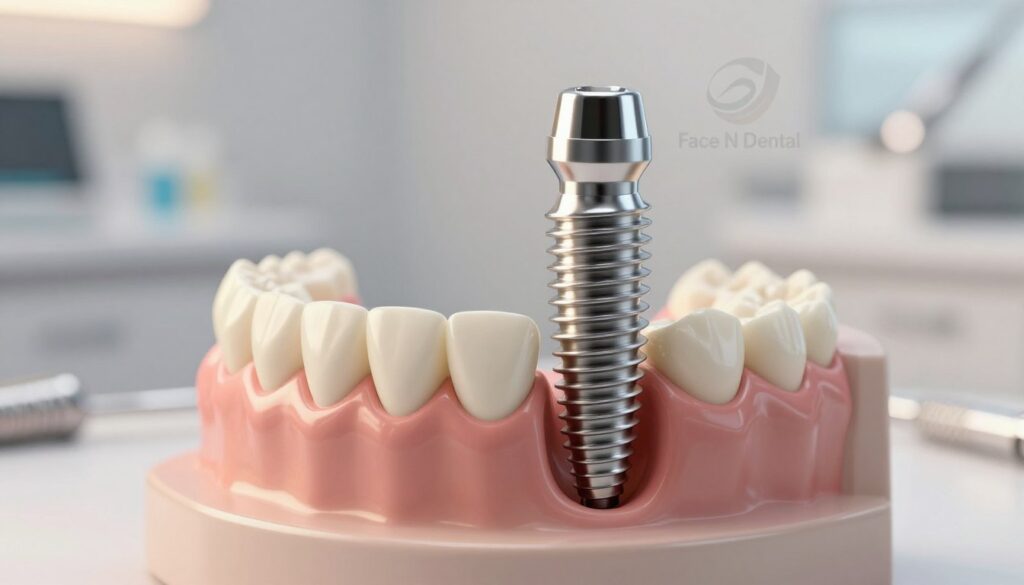
Knowing how your dental restoration works is key to its success. Choosing to fix your smile means investing in something made for lasting dental implant durability. These devices are designed to blend with your jawbone, offering a strong base like natural tooth roots.
Defining Dental Implant Durability
The main reason for dental implant longevity is the use of materials the body accepts. Most implants are made from titanium or zirconia, which don’t cause an immune reaction. This process, called osseointegration, makes the implant a permanent part of your skeleton.
These materials resist decay and corrosion, making implants more reliable than traditional bridges. With proper care, the structure can last for decades. This makes implants a cost-effective option for those looking for a permanent tooth replacement.
The Difference Between the Implant Post and the Crown
To understand your dental implant lifespan, it’s important to know the difference between the implant post and the crown. The post acts as the artificial root, firmly anchored in the bone. It’s meant to last a lifetime if the bone stays healthy.
The crown, on the other hand, is the part you see above the gum line. It’s made from durable materials but still wears down over time. Even if the post stays strong, the crown might need to be replaced due to wear and tear.
| Component | Primary Function | Expected Longevity |
|---|---|---|
| Implant Post | Root support and bone integration | Permanent (Lifetime) |
| Abutment | Connector between post and crown | Permanent |
| Prosthetic Crown | Chewing surface and aesthetics | 10 to 15+ years |
Factors Influencing How Long Do Dental Implants Last
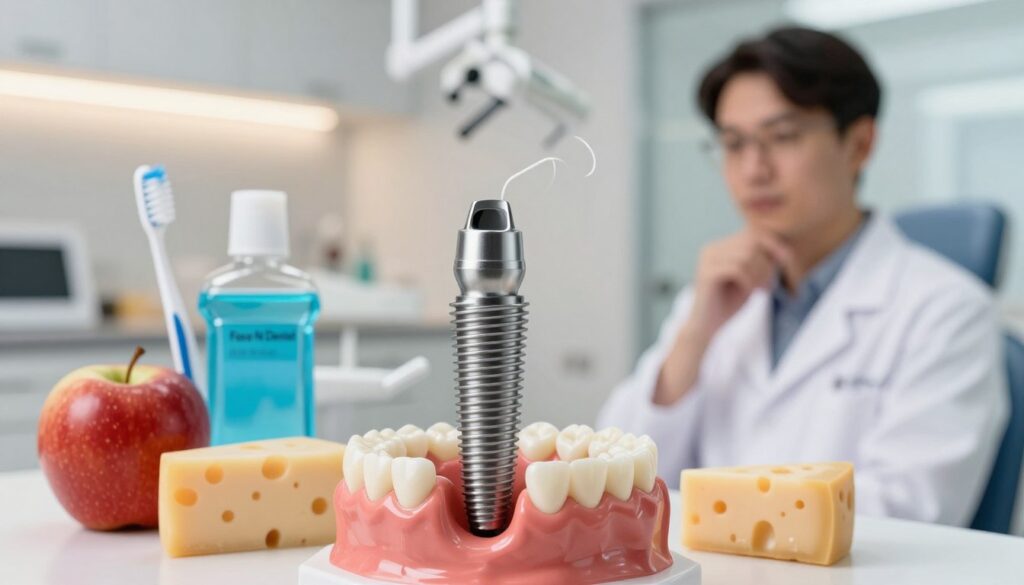
To get a long dental implant lifespan, we must consider several factors. These implants are made to last, but how well they do depends on your health. Knowing these factors helps keep your smile bright for years.
Biological Factors and Bone Density
The success of an implant starts with the jawbone’s quality. For the implant to bond well, called osseointegration, the bone needs to be strong. If the bone is weak, the implant might not stay in place.
People with strong bones usually do better with implants. If the bone is too thin, a graft might be needed. This graft helps the implant stay stable, affecting how long it lasts.
The Role of Surgical Precision and Implant Quality
Your dentist’s skill is key to a successful implant. Modern tools help plan the surgery with great accuracy. This reduces the chance of problems later on.
Also, the implant’s materials matter a lot. High-quality titanium or zirconia implants can handle a lot of pressure. Using top materials can lead to better results and fewer failures.
Lifestyle Choices and Systemic Health Conditions
Your overall health affects how well you heal after surgery. Conditions like diabetes can slow healing and raise infection risks. Keeping these conditions under control is crucial for your dental health.
What you do in your daily life also affects your implants. Smoking, for example, can harm blood flow and integration. By focusing on your health and making good lifestyle choices, you can protect your implants and keep your mouth healthy.
The Success Rate of Dental Implants in India
In top-tier Indian clinics, a high dental implant success rate is expected. The country has invested in medical infrastructure. This allows practitioners to offer results that match international standards. Now, patients can get reliable, long-term solutions for missing teeth with confidence.
Advancements in Dental Technology Across Indian Clinics
Modern dental practices in India use cutting-edge tools for precision. Tools like Cone Beam Computed Tomography (CBCT) help map the jawbone accurately before surgery. This digital planning greatly reduces errors.
3D-guided surgery is common in urban dental centers. These advanced tools help place implants in the best bone positions. This technology is key to the high dental implant success rate today.
Why Patient Selection Matters for Long-Term Success
Success starts before surgery. Dentists in India focus on thorough screening. They check systemic health and bone density to create a tailored treatment plan.
Patients with controlled diabetes or who have stopped smoking heal better. By carefully choosing patients and managing expectations, clinics reduce failure risk. This approach makes dental health investments secure for years.
Common Complications and How They Are Managed
While procedures are successful, dental implant complications can occur if care is neglected. Peri-implantitis, an inflammatory condition, is a common issue. Early detection through imaging allows for quick action.
Clinicians handle these problems with professional cleaning, antibiotics, or surgery. Quick action prevents bone loss and keeps the restoration intact. The table below shows the shift to modern, proactive care.
| Feature | Traditional Approach | Modern Indian Standard |
|---|---|---|
| Diagnostic Imaging | 2D X-rays | 3D CBCT Scans |
| Surgical Planning | Manual Estimation | Digital Guided Surgery |
| Patient Screening | Basic Health Check | Comprehensive Systemic Review |
| Follow-up Care | Reactive Treatment | Proactive Maintenance |
Daily Oral Hygiene Practices for Implant Longevity
Keeping your dental implants healthy starts with daily habits at home. Regular care is key to avoiding problems and keeping your implants stable for many years.
Brushing Techniques for Dental Implants
Use a soft-bristled toothbrush to clean your implants without damage. Avoid abrasive toothpastes that can scratch the surface and trap bacteria.
Brush at a 45-degree angle toward your gums. Use gentle, circular motions to clean where the crown meets the gum. This method helps prevent plaque buildup around the implant base.
The Importance of Interdental Cleaning
Brushing alone can’t reach the tight spaces between teeth and implants. Bacteria love these areas, making interdental cleaning essential.
Choosing the Right Floss and Interdental Brushes
Pick tools made for implants to avoid irritation. Use unwaxed tape or specialized implant floss with a fuzzy center for effective cleaning around the abutment.
Interdental brushes are great for cleaning larger gaps. Make sure the brush wire is plastic-coated to avoid scratching the titanium post.
Benefits of Water Flossers for Implant Maintenance
Water flossers are gentle yet powerful for removing debris from under the gum line. They’re perfect for those who struggle with traditional flossing.
| Cleaning Tool | Primary Benefit | Best Use Case |
|---|---|---|
| Soft Toothbrush | Surface plaque removal | Daily general cleaning |
| Interdental Brush | Targeted gap cleaning | Wide spaces between implants |
| Water Flosser | Deep gum irrigation | Removing subgingival debris |
Using these tools daily can greatly improve your implant’s longevity. A consistent hygiene routine is the best way to keep your smile healthy and lasting.
Professional Maintenance and Routine Dental Checkups
Going to the dentist is key to keeping your implants working well for a long time. Your daily care is important, but a dentist’s special skills are needed too. Regular dental implant care helps keep your implants working and healthy for years.
Why Regular Professional Cleanings Are Non-Negotiable
Dentists use special tools to clean implants that you can’t reach with a toothbrush or floss. These tools won’t damage the implant. They get rid of plaque and tartar that can harm your gums.
Regular cleanings help stop gum disease. It’s a necessary investment in your dental health. Missing these appointments can lead to serious problems.
Monitoring Peri-Implant Health
Your dentist will check the health of the tissues around your implant during checkups. They might use digital X-rays to see how the bone is doing. They also check if the implant is stable.
Early Detection of Potential Implant Complications
Regular checkups help catch dental implant complications early. Finding problems like inflammation or bone loss early makes treatment easier. This way, you avoid more serious surgeries later.
| Feature | Home Care | Professional Care |
|---|---|---|
| Frequency | Daily | Bi-annually |
| Tools Used | Brush and Floss | Specialized Scalers |
| Primary Goal | Plaque Removal | Bone & Tissue Health |
| Diagnostic Ability | Visual Check | X-rays & Stability Tests |
Seeing dental visits as part of your dental implant care routine is crucial. Sticking to your schedule helps protect your investment. Always make these appointments a priority to keep your implants in top shape.
Lifestyle Adjustments to Protect Your Investment
Your daily habits are key to keeping your dental restorations stable. The procedure is effective, but your lifestyle choices affect the dental implant success rate. Making healthy choices helps prevent stress on your implants and keeps them working well for years.
The Impact of Smoking on Implant Success
Smoking is a big risk for your dental implants. It cuts off blood flow to your gums, slowing healing and raising infection risk. This can cause bone loss around the implant, hurting the dental implant success rate.
Smokers face more surgery complications. Quitting or cutting down on smoking is crucial to protect your implant’s bond with your jawbone. Your dentist can help you quit.
Managing Bruxism and Teeth Grinding
Bruxism, or grinding your teeth, puts too much pressure on your implants. This can loosen the crown or harm the bone. If you wake up with jaw pain or headaches, you might be grinding your teeth at night.
To reduce these risks, consider these steps:
- Wear a custom-fitted night guard to protect your teeth while you sleep.
- Try stress-reduction techniques to relax your jaw muscles.
- Get regular check-ups to spot any wear on your implant crowns.
Dietary Habits That Support Oral Health
Your diet affects your gums and bone health. Eating foods rich in calcium and vitamin D keeps your jawbone strong, which is vital for a high dental implant success rate. Avoiding hard or sticky foods also prevents damage to your implants.
Eat foods that help healing and reduce inflammation. Stay hydrated and limit sugary snacks to keep your mouth clean. These changes help your implants last longer.
Recognizing Signs of Dental Implant Failure
Even with high dental implant durability, problems can still happen. Most dental work in India goes well, but looking after your teeth is key. This way, small problems can be fixed before they get worse.
Identifying Symptoms of Peri-Implantitis
Peri-implantitis is an inflammation around your implant. It can cause bad breath, which often means a bacterial infection under the gum.
Look out for gum recession or swelling near the implant. If the area is red or bleeds when you floss, it’s a sign of trouble. These are dental implant complications that need a dentist’s check.
When to Seek Immediate Professional Help
If you feel pain or notice your implant moving, see your dentist right away. This can stop bone loss.
Pain while chewing or a constant ache means something’s off. Getting help early can save you from more serious problems later.
Understanding the Revision Process
If problems are caught early, fixing them is usually easy and doesn’t hurt much. Your dentist might clean deep or give you antibiotics to fight infection.
If the bone is damaged, more serious steps might be needed. By watching your teeth and telling your dentist about any changes, you help keep your smile healthy for a long time.
Conclusion
Investing in your oral health can change your life and boost your confidence. A long-lasting dental implant is possible with the right habits and expert advice.
Keeping up with dental implant care is key to a stable and working restoration. Simple daily habits lay the groundwork for long-term success and overall health.
Top clinics in India offer the tools and knowledge to keep your results. Working with your dentist helps you track your progress and fix small issues early.
Your path to a lasting smile needs commitment to hygiene and regular dental visits. Adopt these habits to ensure your dental implant lasts for years.
Book a consultation with your local dentist to create a plan tailored to you. The best way to keep your smile shining is through proper dental implant care.
About Us
At Face N Dental Clinic, we specialize in advanced dental implant treatments designed for long-term durability and natural results. Located in Nigdi, Pimpri Chinchwad, Pune, our clinic is equipped with modern technology and experienced dental professionals who ensure precise diagnosis and high success rates.
We focus on providing personalized dental care, especially for patients seeking long-lasting solutions like dental implants. With proper planning, quality materials, and expert execution, dental implants can last for decades or even a lifetime when maintained with good oral hygiene.
Our clinic is trusted by patients from Pune and nearby areas for safe, painless, and effective dental procedures, including single tooth implants, full mouth rehabilitation, and cosmetic dentistry.
FAQs
1. How long do dental implants last in Pune?
Dental implants can last 15–25 years or more, and in many cases, they last a lifetime with proper care and regular dental check-ups.
2. Are dental implants a permanent solution in Nigdi, Pimpri Chinchwad?
Yes, dental implants are considered a long-term or permanent solution because the implant post integrates with the jawbone and provides strong support for years.
3. What factors affect the lifespan of dental implants?
The lifespan depends on oral hygiene, bone health, lifestyle habits (like smoking), and the experience of the dentist performing the procedure.
4. Do dental implants require maintenance after treatment?
Yes, implants require regular brushing, flossing, and periodic dental visits. While the implant can last decades, the crown may need replacement after 10–15 years due to wear.
5. Is dental implant treatment safe in Pimpri Chinchwad and Pune?
Yes, dental implant procedures are safe when performed by experienced dentists using modern techniques and proper sterilization protocols, with high success rates over 90%.
 Previous Post
 Next Post