
Jaw Fracture Treatment Without Surgery Options Explained
Facial injuries often happen during sports, car accidents, or falls. In India, these injuries need quick and skilled medical care for healing. A broken jaw makes simple tasks like eating, speaking, or breathing hard.
Knowing your facial bones’ anatomy is key to recovery. While surgery is common, many look for non-surgical ways to heal. This guide shows how to recover without surgery, focusing on health and comfort.
Key Takeaways
- Facial trauma needs quick professional help to avoid problems.
- Injuries to the jaw or upper face mess up basic tasks like eating and talking.
- Non-surgical healing aims to stabilize the area for natural bone repair.
- In India, many non-invasive recovery options are available for facial injuries.
- Understanding bone anatomy is crucial for successful long-term recovery.
Understanding Jaw Fractures and Diagnostic Procedures in India
Getting a correct diagnosis is key for treating jaw fractures without surgery in India. The mandible, or lower jawbone, is the only bone in the face that moves. It holds the lower teeth and connects to the skull at the temporomandibular joints. Any injury to this area needs careful checking to see if non-surgical treatment is right.
Clinical Assessment for Indian Patients
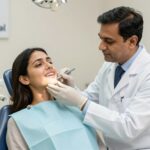
Doctors in India do detailed physical checks to spot injury signs. They look for teeth misalignment and trouble opening the mouth. They also feel the jaw to find any bone irregularities.
These signs help decide if non-surgical treatment is suitable. Spotting these early on can avoid long-term issues like bone misalignment or nerve damage. Doctors also ask about the injury to understand how it happened.
Imaging Techniques Used in Local Hospitals
Doctors use panoramic radiographs to see the jaw clearly. This method shows the whole jaw and helps find fractures. It’s a common tool in many local hospitals.
For tougher cases, hospitals use advanced CT scans for a detailed look. This technology lets doctors see the injury in 3D before choosing treatment. Accurate imaging is vital for Indian patients to get the best care.
Jaw Fracture Treatment Without Surgery: Conservative Management Approaches
In India, many people look for jaw fracture treatment without surgery for minor injuries. Doctors often choose not to operate if the bone is stable and in the right place. This choice helps avoid the dangers of general anesthesia and metal implants.
Closed Reduction Techniques
Closed reduction is used when the bone hasn’t moved much. Doctors manually put the jaw back in its correct position. This lets the body start healing itself.
This method works well for stable fractures where the jaw is already in good alignment. It doesn’t need cuts, so the risk of infection is lower. Patients usually have less swelling and pain after the treatment.
Intermaxillary Fixation Methods
Intermaxillary fixation helps keep the jaw stable while it heals. The upper teeth act as a splint for the lower teeth, keeping everything still. This helps the bone heal properly.
This method keeps the jaw still for four to six weeks. It’s important to keep the mouth clean and follow a special diet during this time. Below is a table showing the main differences between non-surgical and surgical treatments for jaw injuries.
| Feature | Conservative Management | Surgical Intervention |
|---|---|---|
| Invasiveness | Non-invasive | Invasive |
| Hardware | None required | Plates and screws |
| Recovery Time | 4 to 6 weeks | Variable |
| Anesthesia | Local or none | General |
Nutritional Support and Dietary Adjustments for Healing
Good nutrition is key for healing a jaw fracture. When your jaw is fixed, your body needs energy to heal bones and tissues. Eating foods rich in nutrients helps keep your strength up during recovery.
Liquid Diet Strategies for Jaw Immobilization
Switching to a liquid diet helps avoid putting pressure on the fracture. Choose high-calorie liquids to prevent weight loss. A good blender can turn any meal into a liquid, making sure you get all the vitamins and minerals you need.
It’s important to eat small, frequent meals through a straw or syringe. Try to have five to six meals a day instead of three big ones. This keeps your energy steady and helps your body heal faster.
High-Protein Indian Diet Modifications for Bone Repair
Indian food is great for increasing protein without chewing. Moong dal, paneer, and yogurt are good sources of amino acids for bone repair. You can blend these into soups or lassi drinks.
Adding protein powders or supplements to your meals can help meet your protein needs. Talk to your doctor about the right supplement for you. These changes help your body get the nutrients it needs to heal well.
Recommended Soft Foods and Smoothies
Choosing the right foods is crucial when your jaw is fixed. Look for soft foods or those that can be made smooth. Here are some ideas to add variety to your meals:
- Thinly pureed moong dal or lentil soups with ghee.
- Smoothies with Greek yogurt, bananas, and almond butter.
- Strained vegetable broths with cooked spinach or carrots.
- Protein-fortified milkshakes or chilled buttermilk with added nutrients.
By focusing on these nutrient-rich foods, you help your body heal faster. Staying hydrated and well-fed improves your comfort and recovery.
Pain Management and Minimally Invasive Jaw Fracture Care
Recovering from a jaw injury needs a careful plan to manage pain. Using minimally invasive jaw fracture care helps a lot. This method helps the body heal naturally and keeps you comfortable.
Pharmacological Approaches to Inflammation
Doctors often give certain medicines to control pain and reduce swelling. Non-steroidal anti-inflammatory drugs (NSAIDs) are often used. They help with the soreness from jaw immobilization.
It’s key to take these medicines as told by your doctor. If pain doesn’t go away, talk to your doctor. They can change your treatment plan. Taking these medicines regularly helps keep swelling down.
Home Care Practices for Comfort
Good daily habits are also important for your comfort and healing. Keeping your mouth clean is crucial, even when your jaw is not moving. Use a soft toothbrush and a gentle, alcohol-free mouthwash.
- Rinse your mouth gently after every meal to remove food particles.
- Avoid strenuous physical activities that could jar the jaw.
- Ensure you get adequate rest to support the body’s repair mechanisms.
Managing Swelling with Cold Compresses
Cold compresses are great for swelling and comfort early on. A cold pack on the affected area for 15 to 20 minutes can help a lot. This is a common home care method in India.
Always cover the ice pack with a cloth to avoid skin damage. Using it regularly in the first few days helps reduce pain. Adding these steps to your daily routine is key to successful care.
Holistic Jaw Fracture Therapy and Long-Term Recovery
Recovering from a jaw injury takes more than just initial care. Holistic jaw fracture therapy helps patients regain confidence and function. It focuses on physical movement and clinical oversight for non-operative jaw fracture healing.
Physiotherapy Exercises for Jaw Mobility
After the initial healing, jaw muscles may feel stiff and weak. Physiotherapy exercises are key to regain full mouth opening. These exercises prevent scar tissue and restore muscle elasticity.
Start with slow, controlled stretches as advised by your healthcare provider. Simple actions like opening your mouth a bit and holding it can help. Being consistent is crucial for natural jaw fracture recovery and avoiding future pain.
Monitoring Healing Progress with Follow-up Appointments
Regular check-ups are vital to ensure proper bone healing. Doctors check if teeth align correctly during these visits. This monitoring catches any issues early on.
The table below shows the recovery stages and what to focus on during follow-up care in India.
| Recovery Phase | Primary Focus | Recommended Action |
|---|---|---|
| Early Healing | Bone Stability | Strict adherence to diet |
| Intermediate | Muscle Activation | Begin gentle jaw stretches |
| Late Recovery | Functional Restoration | Full range of motion exercises |
| Final Review | Occlusion Check | Verify proper bite alignment |
Regular check-ups help patients track their progress. These visits are a chance to discuss any ongoing issues with a professional. This care plan supports a smooth return to daily activities.
Conclusion
Healing from a jaw fracture needs a strong commitment to your recovery plan. Many people in India find non-surgical methods work well. Your body can heal bone tissue with the right care.
Being active in your healing is key. Regular visits to doctors at places like AIIMS or Apollo Hospitals are important. These visits help keep your bone in the right place.
Keeping a positive attitude is crucial for your health. Notice the small improvements each week. Your jaw will get stronger and straighter with time.
If you have questions, talk to your local maxillofacial specialist. Sharing your story can help others. Start your journey to better health today by taking these important steps.
About Us
At Face N Dental International Clinic, we provide advanced diagnosis and treatment for jaw fractures, facial trauma, and oral & maxillofacial conditions using modern technology and evidence-based treatment protocols. Led by experienced Oral & Maxillofacial Surgeons, our NABH-certified clinic offers personalized treatment plans, including both surgical and jaw fracture treatment without surgery when clinically appropriate. Conveniently located in Nigdi, Pimpri Chinchwad, Pune, we are committed to delivering safe, precise, and compassionate care to help patients recover comfortably and restore normal jaw function.
Faqs
1. Can a jaw fracture heal without surgery?
Yes. Some stable or minor jaw fractures can heal without surgery using conservative treatments such as jaw immobilization, medication, a soft diet, and regular follow-up. An Oral & Maxillofacial Surgeon will determine the most appropriate treatment after a detailed examination.
2. Where can I get jaw fracture treatment without surgery in Nigdi?
Face N Dental International Clinic provides expert evaluation and jaw fracture treatment without surgery in Nigdi for suitable cases using advanced diagnostic technology and personalized treatment plans.
3. Do you provide jaw fracture treatment for patients from Pimpri Chinchwad and Pune?
Yes. We offer comprehensive jaw fracture and facial trauma treatment for patients from Pimpri Chinchwad, Pune, Nigdi, Akurdi, Ravet, and nearby areas, including both non-surgical and surgical treatment options based on the severity of the fracture.
4. How long does recovery take after jaw fracture treatment without surgery?
Recovery varies depending on the type and severity of the fracture, but many patients recover within 4 to 6 weeks by following their treatment plan, eating a soft diet, maintaining oral hygiene, and attending regular follow-up visits.
5. How do I know if I need surgery or non-surgical treatment for a jaw fracture?
An Oral & Maxillofacial Surgeon will assess your jaw using a clinical examination and digital imaging to determine whether jaw fracture treatment without surgery is suitable or if surgical intervention is required for proper healing and jaw alignment.
 Previous Post
 Next Post