



+91 - 8817000999 P-Square, Sector 26, Nigdi, Pradhikaran, Pune- 411044
Mon - Sat : 10:00am - 2:00pm & 3:00pm - 7:00pm

Dental Implants for Diabetic Patients: Safety, Precautions & Outcomes

Many people in India living with diabetes worry about their long-term oral health. This condition affects millions and requires very careful daily management. They often search for a permanent solution for missing teeth to restore their smiles.

Clinical evidence suggests that implants safe outcomes are achievable with proactive care. When blood sugar remains stable, success rates can exceed 90%. This provides significant reassurance for people seeking a functional and restored bite.

A diabetes diagnosis changes how the body heals and handles risk. High sugar levels can sometimes slow down a dental implant recovery period. However, modern medical steps now keep dental implants safe for diabetic patients.

Maintaining stable diabetes levels is the most critical factor for patients. This guide explores the best ways to prepare for your procedure. With expert guidance, you can achieve a healthy and beautiful smile again.

Key Takeaways

  • Success rates for well-controlled cases often exceed 90%.
  • Maintaining an HbA1c level below 7% is vital for success.
  • Modern dental protocols ensure the process remains highly safe.
  • Proper blood sugar control significantly speeds up healing time.
  • Dental restorations offer a permanent fix for tooth loss.
  • Expert clinical care helps manage infection risks effectively.

Understanding the Connection Between Diabetes and Dental Implants

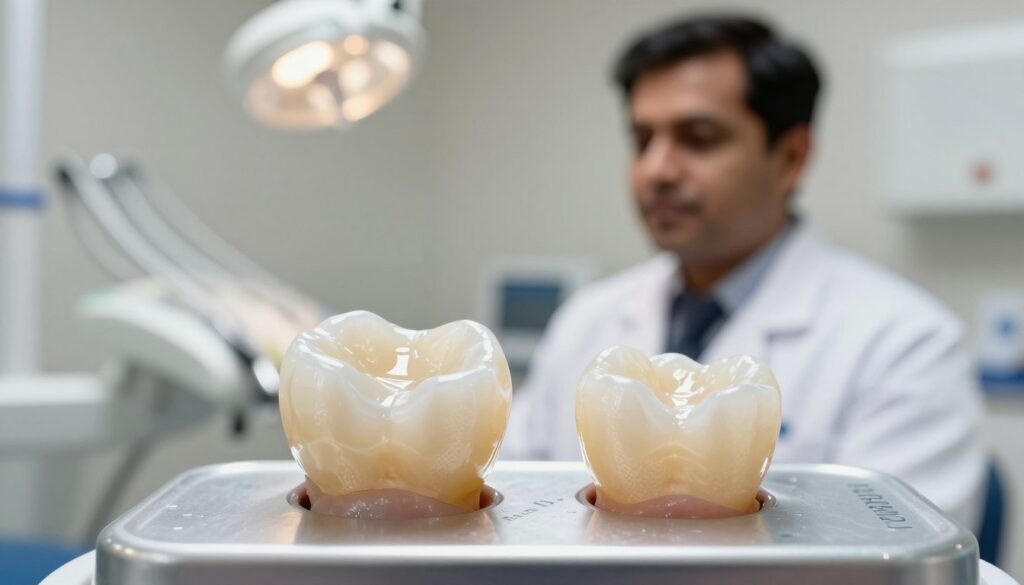
dental implants and diabetes health

Successful tooth replacement depends on how well your body manages glucose and recovers from surgery. For patients living with diabetes, the relationship between systemic health and dental implants is a primary concern for long-term success. Professional dental care focuses on how metabolic control impacts the surgical site.

A clear understanding of this link helps in planning a safe and effective treatment journey. Your dentist will evaluate how your condition affects the jawbone and soft tissues. This ensures that the procedure remains a viable option for restoring your smile.

How Diabetes Impacts Oral Health and Healing

Diabetes often weakens the immune system’s ability to combat infections in the mouth. This can increase the risk of losing teeth due to severe gum disease or periodontitis. High blood sugar levels also impair the natural healing process by reducing oxygen-rich blood flow to the gums.

When sugar levels remain high, white blood cells do not function at their best. This leads to slower wound closure and a higher chance of post-operative complications. Maintaining a healthy oral environment is essential for anyone seeking healing after a surgical procedure.

The Role of Blood Sugar in Osseointegration

The success of implants relies on a biological process called osseointegration. This is where the titanium implant post fuses directly with your jawbone. When sugar is not controlled, this vital fusion can be significantly compromised or delayed.

Stable blood sugar provides the right environment for bone cells to grow around the metal. High levels of glucose can weaken bone density over time. Ensuring stable sugar levels creates a strong foundation for your new implants diabetes treatment.

Type 2 Diabetes and Dental Implant Eligibility

Most individuals with type 2 diabetes are excellent candidates for dental implants if their condition is well-managed. Doctors typically look for an HbA1c level below 7% before proceeding with implants. This benchmark is a key indicator for safe diabetes dental care.

Research indicates that with consistent oral hygiene, success rates are nearly identical to those without the condition. Medical technology now allows more patients to enjoy the benefits of permanent tooth replacement safely. Your surgical implant success depends heavily on a collaborative approach between you and your healthcare team.

Factor Controlled Diabetes (HbA1c < 7%) Uncontrolled Diabetes (HbA1c > 8%)
Healing Speed Normal to slightly adjusted Significantly delayed
Infection Risk Low; comparable to non-diabetics High risk of gum complications
Osseointegration Strong bone-to-implant bond Potential for weak bone fusion

Dental Implants for Diabetic Patients: Step-by-Step Preparation Guide

A systematic preparation strategy is the secret to ensuring that dental implants integrate perfectly for those managing diabetes. Successful outcomes rely on a foundation of health and precision. This guide outlines the essential steps to prepare your body and mouth for a transformative procedure.

Step 1: Achieve and Maintain Optimal Blood Sugar Control

Managing your blood sugar is the single most important factor for surgical success. High sugar levels can delay healing and increase the risk of infection. You should aim for stable control to ensure your body is ready for the upcoming procedure.

Target HbA1c Levels Below 7%

An HbA1c level below 7% indicates that your sugar control is stable enough for surgery. This measurement reflects your average blood sugar over the past three months. Staying within this range significantly boosts the chances of successful implants.

Coordinate with Your Endocrinologist

Work closely with your specialist to adjust your medications before the surgery. They will help you maintain steady levels during the months leading up to the procedure. This coordination ensures your sugar control is fully optimized.

Monitor Blood Sugar Levels Consistently

Perform daily glucose checks to track how your body responds to diet and stress. Regular A1C testing helps demonstrate that you have achieved the necessary control. Stable sugar levels provide a safer environment for tissue recovery.

Step 2: Schedule a Comprehensive Pre-Implant Assessment

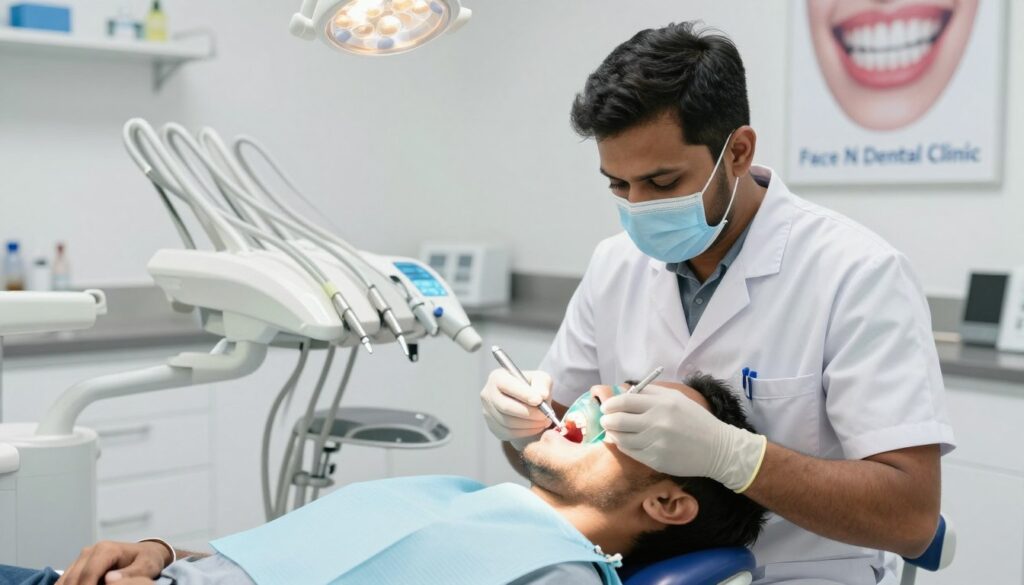
Finding a dental implant specialist for diabetic patients India is a critical second step. This expert will perform a deep dive into your physical health and jaw structure. A thorough evaluation helps identify any factors that might require a specialized treatment for your implant.

dental implant specialist for diabetic patients India

Contact Now

Complete Medical History Evaluation

Your dentist will review your complete medical history to look for hidden risks. They need to know about every medication and past health challenge you have faced. This clarity allows the clinic to customize the surgical approach for your safety.

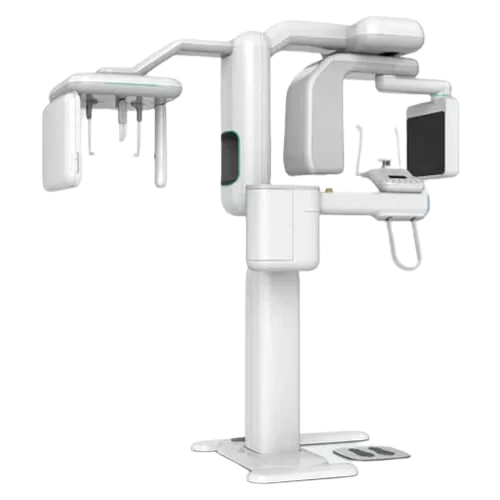
CBCT Scan for Bone Density Analysis

A CBCT scan provides a 3D view of your jaw to analyze bone density and quality. This is vital because diabetic patients may experience faster mineral loss in the jaw. Proper planning ensures the dental implant has enough support to remain stable.

Blood Tests and Health Clearance

You will need a complete blood count and fasting glucose tests. These labs provide the medical clearance required to proceed with your surgical appointment. Ensuring you are medically stable is a top priority for any reputable clinic.

Step 3: Optimize Your Oral Hygiene Routine

Excellent oral hygiene reduces the risk of post-surgical infections. You must eliminate harmful bacteria that could migrate to the surgical site. A clean mouth is the best environment for new implants to thrive.

Proper Brushing and Flossing Techniques

Brush your teeth twice daily for at least two minutes using a soft-bristled brush. Use proper flossing techniques to reach deep between the teeth and gums. These daily habits are the cornerstone of good dental hygiene.

Use of Antibacterial Mouthwash

Use an antibacterial mouthwash to further lower the bacterial load in your mouth. This simple addition to your routine provides an extra layer of protection. It helps maintain the high standard of hygiene needed for recovery.

Professional Dental Cleaning

Schedule a professional appointment for a deep cleaning before your surgery. Visit the best dental facilities to have tartar and plaque removed by expert hygienists. This ensures your oral hygiene is at its peak before the procedure.

Step 4: Make Essential Lifestyle Modifications

Making healthy choices today will lead to a faster recovery tomorrow. Lifestyle changes directly impact how well your body integrates the metal implant. Focus on habits that promote vascular health and cell regeneration.

Quit Smoking to Improve Healing

You must quit smoking several weeks before the surgery. Smoking constricts blood vessels and severely limits the oxygen reaching your gums. This habit is a leading cause of failure for a dental implant.

Follow a Diabetes-Friendly Nutrition Plan

Follow a nutrition plan that is rich in protein and essential vitamins. These nutrients support tissue repair and maintain skeletal levels without spiking your glucose. Healthy eating helps your body build a strong bond with the implants.

Stay Hydrated

Drink plenty of water to keep your tissues hydrated and resilient. Proper hydration supports the metabolic processes required for healing. It is a simple but effective way to prepare for your surgical appointment.

Step 5: Establish Collaborative Care Between Healthcare Providers

Success often requires a team of experts working in harmony to control potential risks. Care should be a shared responsibility between your dental and medical teams to benefit the patient. This unified approach minimizes complications and improves the final result for the implants.

Communication Between Dentist and Primary Care Doctor

Your dentist should communicate directly with your primary care doctor. They will discuss your overall health and any specific concerns related to diabetes. This dialogue ensures that every aspect of your care is covered.

Create a Coordinated Treatment Plan

The team will create a treatment plan that includes specific antibiotic protocols and medication timing. This coordination is standard at the best dental centers in the country. Working together, your doctors ensure the highest safety standards.

The Procedure, Success Rates, and Costs in India

Transforming your oral health through modern dentistry involves specific clinical protocols, realistic expectations for recovery, and a clear budget. Understanding the surgical details helps diabetic patients feel more confident before they choose dental implants.

What Happens During the Implant Surgery for Diabetics

The procedure for diabetes dental care requires precision and careful planning. Your expert surgical team follows a strict map to ensure safety and comfort throughout the visit.

Minimally Invasive Surgical Techniques

An expert dentist uses minimally invasive techniques to place each implant. These methods use small incisions to reduce tissue trauma and limit bleeding. This approach helps diabetics experience a much faster healing process than traditional surgery.

Pre-Surgical Antibiotic Protocols

The dental clinic usually prescribes antibiotics before the treatment starts. Since high blood sugar can slow the immune response, there is a higher risk infection for some patients. These medications effectively lower the risk infection and keep the site sterile.

Anesthesia Considerations

Modern anesthesia ensures the procedure is painless for every patient. The dentist monitors blood sugar levels in real-time during the surgery. This constant check prevents any sudden sugar spikes or drops while the implant is being placed.

Success Rates and Healing Timeline for Diabetic Patients

Many people ask if implants safe for those with metabolic conditions. Data shows that implants diabetes outcomes are very positive when blood sugar is stable.

Over 90% Success Rate with Controlled Diabetes

The success rate for dental implants in controlled diabetic patients is over 90%. This success level is nearly the same as it is for non-diabetic individuals. Maintaining a steady A1c level is the most important factor for this high success rate.

Healing Period: 3-6 Months on Average

The standard healing timeline for an implant typically spans 3 to 6 months. This time allows the bone to grow around the implant, a process called osseointegration. While diabetics might heal slightly slower, the long-term success remains excellent.

Factors That Influence Implant Success

Healthy bone density and great oral hygiene are vital for success. Avoiding tobacco and following the dentist‘s advice will help you keep your new smile for life. Regular check-ups at the clinic ensure the treatment stays on the right track.

Dental Implant Costs for Diabetic Patients in India

best dental implant clinics in India

Learn More

Finding the best dental care in India is easier than ever because of high-quality standards and affordable prices. Many best dental professionals offer customized packages for diabetic patients who need extra monitoring.

EMI and Payment Plan Options

Most patients choose to get dental work done using monthly payment plans. Many clinic locations offer EMI options to make dental implant costs more manageable. This ensures that everyone can access high-quality teeth replacement services.

Post-Procedure Care and Long-Term Maintenance

Proper care after your surgery is the final step toward a healthy smile. Your daily habits will decide how long the implants will last.

Immediate Post-Surgery Care Instructions

Rest is essential immediately after the dental implant is placed. Use ice packs to reduce swelling and stick to soft foods for the first week. Taking your prescribed infection prevention medicine is also a top priority.

Regular Follow-Up Appointments Schedule

You must visit the clinic for regular check-ups to monitor the implant. These visits allow the doctor to catch any small issues before they become big problems. Most diabetics should have a follow-up every few months during the first year.

Daily Oral Hygiene for Implant Longevity

Brush your teeth twice a day and use specialized floss for implants. Keeping the area clean prevents bacteria from attacking the gums. Diligent hygiene is the best way to ensure success for many years.

Signs of Complications to Watch For

Watch for signs like severe pain, loose implants, or heavy bleeding. If you notice persistent swelling or a fever, contact your doctor immediately. Quick action helps save the dental implant and protects your overall health.

Conclusion

For many people in India, dental implants are a life-changing solution for missing teeth. Having diabetes does not prevent you from receiving this effective treatment. In fact, dental implants safe protocols now exist for both Type 1 and Type 2 diabetics.

Your body needs stable blood sugar to ensure the healing process goes smoothly. Consulting a dental expert reduces the risk of infection and helps the body accept the implants. These patients often enjoy remarkable healing results that rival non-diabetic people.

Diabetic patients can achieve a radiant smile that looks and feels natural. Implants provide a permanent way to replace missing teeth and boost your confidence. Thousands of patients have used these implants to restore their smile successfully.

Dental implants offer a reliable treatment to reclaim your smile. Choose dental implants safe options and manage diabetes with care. Implants allow diabetic patients with diabetes to get teeth back, helping patients feel complete. Dental implants truly work for everyone.

About Face N Dental Clinic

Face N Dental Clinic provides advanced dental care solutions including dental implants for diabetic patients with a focus on safety, precision, and long-term results. Our experienced dental team carefully evaluates each patient’s medical condition, including blood sugar levels, before planning implant treatment to ensure successful outcomes. Using modern dental technology and a patient-friendly approach, we offer reliable implant treatments designed to restore function and confidence in your smile. Located near Nigdi in Pimpri Chinchwad, our clinic serves patients from Pimpri Chinchwad, Pune, and nearby areas, providing personalized dental care in a comfortable environment.

FAQ

1. Are dental implants safe for diabetic patients in Pimpri Chinchwad?
Yes, dental implants can be safe for diabetic patients in Pimpri Chinchwad if blood sugar levels are well controlled and proper dental care is followed before and after the procedure.

2. Where can diabetic patients get dental implant treatment near Nigdi?
Diabetic patients near Nigdi can consult experienced dentists who evaluate blood sugar levels, oral health, and bone condition before recommending dental implant treatment.

3. What is the success rate of dental implants for diabetic patients in Pune?
Studies show that dental implants in well-controlled diabetic patients have a high success rate, often above 90%, similar to non-diabetic patients.

4. What precautions should diabetic patients take before dental implants in Pimpri Chinchwad?
Patients should maintain stable blood sugar levels, follow their doctor’s instructions, and maintain good oral hygiene to support proper healing after the implant procedure.

5. Can diabetic patients from Nigdi and Pune get long-lasting dental implants?
Yes, with proper diabetes management, regular dental checkups, and good oral hygiene, dental implants can last many years and effectively replace missing teeth.

Comments are closed.