



+91 - 8817000999 P-Square, Sector 26, Nigdi, Pradhikaran, Pune- 411044
Mon - Sat : 10:00am - 2:00pm & 3:00pm - 7:00pm

Diabetes and Oral Health: What Every Indian Diabetic Should Know

Managing blood glucose levels is more than just checking your blood. Many in India forget the big link between their health and teeth.

Knowing this connection is key to avoiding big problems later. Taking care of your body also keeps your smile healthy.

Proactive care is crucial for those with Diabetes. Keeping your glucose levels in check helps avoid gum disease and infections.

Looking after your Oral Health improves your life a lot. Simple daily actions can lead to big benefits for your health.

The Biological Link: Understanding Diabetes and Oral Health

Diabetes oral health connection

The link between your blood sugar and oral health is deeper than you might think. High glucose levels make it hard for your body to keep mouth tissues healthy. This diabetes oral health connection is key to keeping you healthy overall.

How High Blood Glucose Affects Oral Tissues

High blood sugar weakens your body’s fight against bacteria. It cuts down on oxygen and nutrients to gums. This leads to persistent discomfort and swelling.

Gums can’t heal quickly without good blood flow. This makes people with diabetes more likely to get infections. Spotting these signs early is crucial to avoid serious dental damage.

The Bidirectional Relationship Between Periodontal Disease and Diabetes

The periodontal disease diabetes link affects your health in both ways. High blood sugar makes you more likely to get gum infections. These infections can also make it harder to keep your blood sugar in check. This creates a tough cycle for your body.

Oral infections release inflammatory markers into your blood. These markers can make it harder for your body to use insulin, raising your blood sugar. To break this cycle, you need to take care of your teeth and watch your blood sugar closely.

Feature Healthy Oral Environment Diabetic Oral Environment
Gum Tissue Health Firm and pink Inflamed and prone to bleeding
Healing Speed Rapid and efficient Delayed and sluggish
Infection Risk Low High due to glucose levels
Saliva Quality Normal flow Often reduced (Xerostomia)

Common Oral Complications Faced by Diabetics in India

Diabetes complications oral health

It’s important to know the oral health challenges diabetics face. In India, diet and climate affect health a lot. Diabetes complications oral health issues need constant watch. Early detection can stop small problems from becoming big dental issues.

Gingivitis and Periodontitis: The Silent Threats

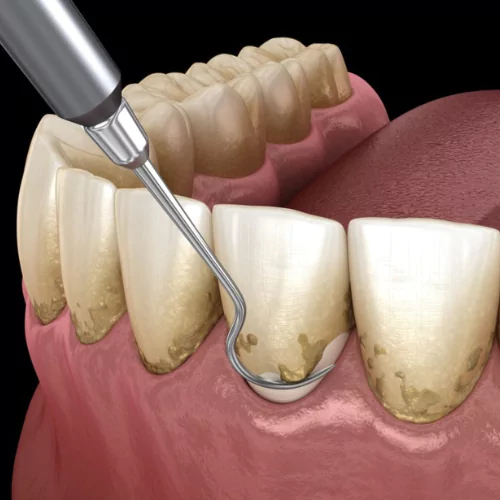
The periodontal disease diabetes link is clear. High blood sugar often causes gum inflammation. Many first get gingivitis, with gums that are red, swollen, or bleed when brushing.

Ignoring this can lead to periodontitis, a serious gum infection. It damages the gums and the bone holding your teeth. Keeping blood sugar in check is key to avoid losing teeth.

Xerostomia: Managing Dry Mouth in a Tropical Climate

Dry mouth, or xerostomia, is common in diabetics in India’s climate. Less saliva means more bacteria, raising the risk of tooth decay and gum infections.

Drinking plenty of water is essential to manage dry mouth. Using mouthwashes without alcohol and chewing sugar-free gum can also help make more saliva.

Increased Susceptibility to Oral Infections and Fungal Growth

High glucose in saliva feeds bacteria and fungi. This makes the mouth more prone to infections, causing pain and discomfort.

The Role of Oral Thrush in Uncontrolled Diabetes

Oral thrush is a fungal infection seen as white patches on the tongue or cheeks. It’s more common in those with uncontrolled diabetes because their immune system can’t fight off fungi well.

Delayed Healing Processes After Dental Procedures

Diabetics often heal slower after dental work. High blood sugar can reduce blood flow, slowing down healing.

Telling your dentist about your diabetes is crucial before any dental work. Good care after surgery and managing blood sugar are key for quick healing.

Essential Daily Oral Care Practices for Diabetes Management

Good diabetic oral care starts with daily routines at home. High blood sugar weakens your body’s fight against bacteria. So, your mouth needs extra care. By following these habits, you can improve your oral health for diabetics and avoid serious problems.

Optimizing Your Brushing and Flossing Routine

Brushing twice a day is key, but how you brush is more important. Use a soft-bristled toothbrush to clean gently. This prevents gum recession and bleeding. Make sure to brush for two minutes to clean every part of your teeth.

Flossing once a day is also crucial. It removes plaque from between teeth, where a brush can’t reach. If your gums are sensitive, use waxed floss or an interdental brush. Consistency is the key to stopping harmful bacteria from growing.

Choosing the Right Dental Products for Sensitive Gums

The right tools can greatly improve your routine. Choose toothpaste made for gum health, with fluoride to strengthen teeth. Dentists often suggest alcohol-free mouth rinses to manage dry mouth and reduce bacteria without drying you out.

Product Type Benefit for Diabetics Recommended Frequency
Soft-Bristled Brush Prevents gum trauma Twice daily
Fluoride Toothpaste Strengthens tooth enamel Twice daily
Alcohol-Free Rinse Reduces bacterial growth Once or twice daily
Interdental Brushes Cleans tight spaces Once daily

Dietary Adjustments for Better Oral and Systemic Health

Your diet affects your blood sugar and oral health. Eating nutrient-rich foods helps keep your blood sugar stable. This supports healthier gums. Include crunchy veggies like carrots and cucumbers to naturally clean your teeth.

Reducing Sugar Intake and Its Impact on Plaque Formation

Sugar feeds the bacteria that cause plaque and tooth decay. Consuming sugary foods and drinks leads to acid production, harming your enamel and gums. By reducing sugar intake, you starve these bacteria and improve your oral health.

Limit sticky, sweet foods that stay on your teeth. If you do eat sweets, rinse your mouth with water to neutralize acids. Making these small changes can greatly improve your oral health for diabetics and overall health.

When to Consult Your Dentist: Warning Signs and Professional Care

Good dental care is key to managing diabetes complications oral health. High blood sugar weakens your body’s fight against infection. This often shows up first in your mouth. Catching small problems early can prevent big dental emergencies.

Recognizing Early Symptoms of Gum Disease

Watch your mouth for any changes. Early intervention is key to stopping gum disease from getting worse. Look out for these signs:

  • Persistent bleeding while brushing or flossing.
  • Gums that appear red, swollen, or tender to the touch.
  • Chronic bad breath that does not improve with hygiene.
  • Receding gum lines or teeth that feel loose.

The Importance of Regular Dental Screenings for Diabetics

Diabetics need more than just regular dental check-ups. They should see their dentist every three to four months. These visits help catch problems early and keep your mouth clean.

Regular visits are crucial for your health. They help your dentist track your mouth’s health and adjust your diabetes care if needed. Consistency is key to a healthy smile.

Communicating Your Diabetic Status to Your Dental Healthcare Provider

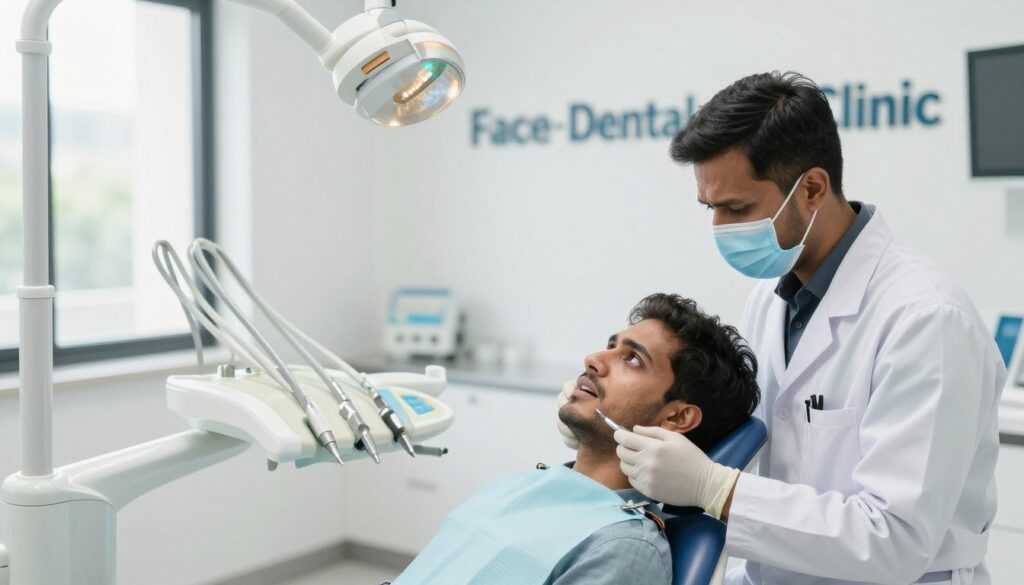
Tell your dentist about your diabetes. Share your medications and HbA1c levels at each visit. This helps your dentist plan safe treatments, like oral surgery.

Working closely with your dentist is important. They can create a care plan just for you. Don’t be shy about asking about your dental care and diabetes. When your dentist and doctor work together, you get the best care for your health.

Conclusion

Managing your blood sugar levels is more than just diet and meds. Taking care of your oral health is key for your long-term health. Your mouth shows how well you manage your diabetes.

Sticking to daily habits is crucial to fight off complications. Brushing, flossing, and using products like Colgate or Sensodyne keep your gums healthy. These steps stop silent threats linked to high blood sugar.

Seeing your dentist regularly is the best way to keep your teeth. It catches problems early, before they get worse. This keeps your oral health in check for life.

Make these habits a part of your daily life for a healthy smile. Your commitment to dental care improves your overall health. Make dental care a must-do every day.

About Our Dental Clinic

At Face N Dental International Clinic, we are dedicated to providing high-quality, safe, and patient-focused dental care. As a trusted dental clinic serving Pune, Nigdi, and Pimpri Chinchwad, our goal is to help every patient achieve a healthy and confident smile through advanced treatments and personalized care.

We offer a wide range of dental services including dental implants, root canal treatment, cosmetic dentistry, braces, and preventive dental care. Our clinic is equipped with modern technology and follows strict hygiene protocols to ensure safe and comfortable treatment for every patient.

FAQs

1. How does diabetes affect oral health?

Diabetes can increase the risk of gum disease, tooth decay, and infections because high blood sugar promotes harmful bacteria growth and weakens the body’s ability to fight infections.

2. Why are people with diabetes more prone to gum disease?

People with diabetes are more prone to gum disease because high sugar levels and reduced immunity make it harder to fight bacterial infections in the mouth, leading to inflammation and infection.

3. Can diabetes cause tooth loss?

Yes, uncontrolled diabetes can lead to severe gum disease (periodontitis), which can damage supporting bone and tissues, eventually causing tooth loss if not treated.

4. How can diabetic patients maintain good oral health?

Diabetic patients should maintain good oral hygiene by brushing twice daily, flossing, controlling blood sugar levels, and visiting a dentist regularly for checkups and cleaning.

5. When should diabetic patients visit a dentist?

Diabetic patients should visit a dentist every 6 months or immediately if they notice symptoms like bleeding gums, bad breath, or loose teeth to prevent serious complications.

Comments are closed.

This will close in 0 seconds