

Revolutionizing Oral Cancer Detection with Advanced Technology
With the integration of Advanced Velscan Oral Cancer Screening, Face N Dental International Clinic, Nigdi,Pimpri Chinchwad is setting a new standard in comprehensive oral health care through early detection and prevention. Oral cancer screenings are a crucial aspect of maintaining good oral health, helping healthcare providers identify signs of cancer in the mouth, including the lining of the cheeks, gums, lips, tongue, and the floor and roof of the mouth.
Oral cancer is a significant public health issue, with an increasing trend among young men and women. Unfortunately, public awareness is low, leading to many patients presenting with late-stage disease, which contributes to high mortality rates. Early detection is key to improving survival rates and treatment outcomes for oral cancer patients.
Advanced Velscan Oral Cancer Screening represents a cutting-edge approach to early detection, offering patients at Face N Dental International Clinic in Nigdi access to state-of-the-art diagnostic technology.
This technology significantly improves the accuracy and effectiveness of oral cancer screening compared to traditional methods. By detecting abnormalities before they become visible to the naked eye, Velscan technology enables early intervention, which is critical in the management of oral cancer.
The rising incidence of oral cancer in India and globally underscores the importance of regular screening, particularly for individuals with risk factors. Face N Dental’s commitment to integrating advanced diagnostic technologies like Velscan into routine dental examinations highlights their dedication to comprehensive oral health care.
By combining advanced screening technologies with a commitment to patient education and awareness, Face N Dental is at the forefront of the fight against oral cancer. Regular screenings, coupled with an understanding of the risk factors and signs of oral cancer, can significantly improve patient outcomes.
Understanding Oral Cancer: A Silent Threat
Understanding the menace of oral cancer is crucial, given its prevalence and impact on global health. Oral cancer, which includes cancers of the lip and oral cavity, is a significant health concern that often progresses silently, leading to late diagnosis and poorer outcomes.
Oral cancer is among the most common types of cancer worldwide, with a particularly high prevalence in South Asian countries, including India. Recent global estimates indicate that oral cancers collectively represent the 16th most common malignant neoplasm worldwide, with almost 355,000 new incident cases per year.
Global and Indian Statistics
The statistics on oral cancer are alarming, both globally and in India. Greater than 90% of oral cancers are squamous cell carcinomas, and two-thirds of cases occur in developing countries, with half of these cases in South Asia. India alone accounts for approximately 100,000 incident cases annually, representing one of the highest rates worldwide.
| Region | Incidence Rate | Percentage of Global Cases |
|---|---|---|
| Global | 355,000 new cases/year | 100% |
| India | 100,000 new cases/year | 28% |
| South Asia | 177,500 new cases/year | 50% |
On average, the rates for men are currently twice as high as for women, although this gap is narrowing in some regions due to changing lifestyle habits. The relationship between oral cancer and socioeconomic factors is significant, with access to healthcare, awareness, and preventive measures varying across different populations.
As noted by a health expert, “Oral cancer is a silent threat that can be effectively managed with early detection and prevention. Awareness and regular screenings are key to reducing its impact.”
“The high incidence of oral cancer in regions like South Asia underscores the need for targeted public health initiatives and awareness campaigns to combat this disease.”
What is Oral Cancer Screening?
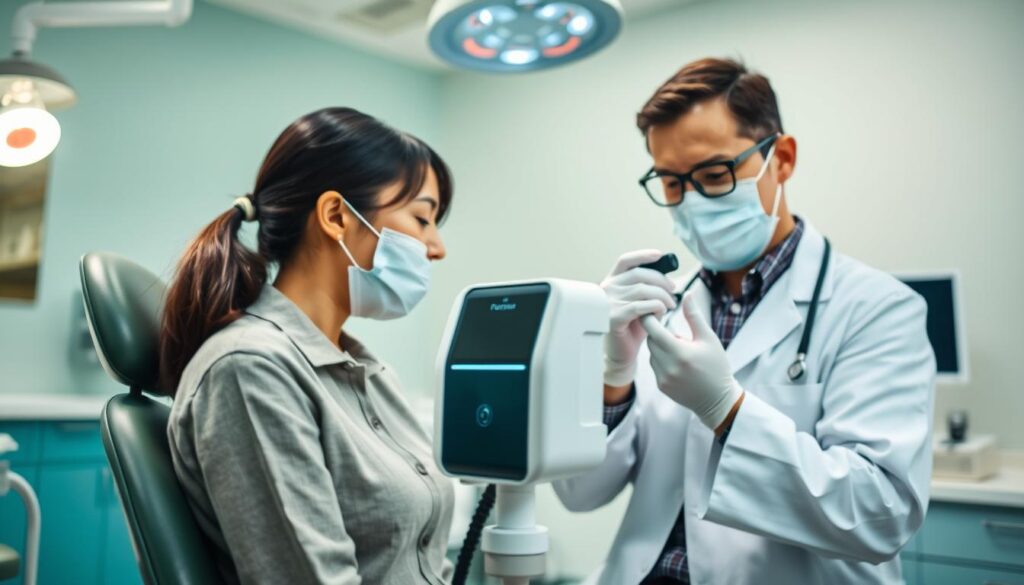
Oral cancer screening is an essential diagnostic tool used to identify oral cancer and precancerous lesions at their earliest, most treatable stages. Screening is looking for cancer before a person has any symptoms, which can help find cancer at an early stage. When abnormal tissue or cancer is found early, it may be easier to treat.
The fundamental purpose of screening is to identify abnormal tissues at their earliest stages, significantly improving treatment outcomes and survival rates. By detecting oral cancer early, patients can benefit from less invasive treatment options, reduced mortality, and improved quality of life.
Purpose and Benefits
The comprehensive benefits of regular oral cancer screening include reduced mortality, less invasive treatment options, lower treatment costs, and improved quality of life for patients diagnosed early. Regular screening can help identify high-risk individuals and detect cancer before symptoms develop.
Scientists study various factors to understand which people are more likely to get certain types of cancer. This information helps doctors recommend who should be screened for cancer, which screening tests should be used, and how often the tests should be done.
Who Should Get Screened
Specific population groups should prioritize regular screening, including individuals with risk factors such as tobacco use, alcohol consumption, betel quid chewing, previous oral cancer diagnosis, and those over 40 years of age. High-risk individuals may need more frequent evaluations than the general population.
Regular oral cancer screening is crucial for maintaining good health. By understanding the importance of detection and screening, individuals can take proactive steps towards protecting their oral health.
The Advanced Velscan Technology
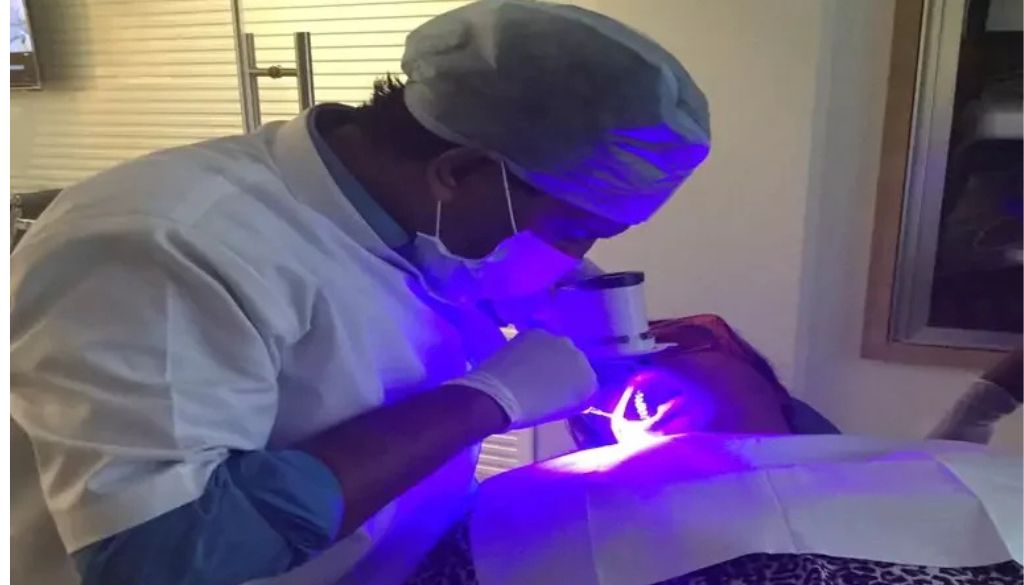
The Advanced Velscan Technology is revolutionizing oral cancer screening with its precision and non-invasive methodology. Velscan is an advanced optical imaging system designed to detect cellular changes that may indicate precancerous or cancerous conditions in the oral cavity.
How Velscan Works
Velscan technology uses specialized light wavelengths to highlight abnormal tissue that might not be visible during a conventional visual examination. This is achieved through a non-invasive process that enhances patient comfort during the screening.
The technical process involves a straightforward step-by-step procedure. Initially, the oral cavity is prepared for the screening. Then, the Velscan device is used to scan the area, utilizing its advanced light technology to identify any abnormal tissue.
Advantages Over Traditional Screening Methods
Compared to traditional methods such as conventional visual examination, toluidine blue staining, and brush biopsies, Velscan technology offers superior sensitivity in detecting abnormal cells at earlier stages. Its ability to provide consistent, objective measurements allows for the effective monitoring of suspicious areas over time.
The evidence-based advantages of Velscan include higher detection rates and reduced false negatives. This makes it a valuable tool in the early detection and prevention of oral cancer.
By leveraging the advanced capabilities of Velscan technology, healthcare professionals can significantly improve the outcomes of oral cancer screenings. This technology represents a crucial step forward in the fight against oral cancer, enhancing both detection and patient care.
The Oral Cancer Screening Process at Face N Dental
The oral cancer screening process at Face N Dental is a systematic approach to detecting cancer early, ensuring better health outcomes. This process is crucial for identifying oral cavity cancer, which typically forms in the squamous cells lining the inside of the oral cavity.
Before Your Appointment
To ensure a smooth and effective screening process, patients are advised to prepare accordingly. This includes maintaining good oral hygiene practices and gathering relevant information about their medical history and risk factors. Patients should also inform their dentists about any symptoms or concerns they have.
During the Screening Procedure
The actual screening procedure involves a thorough examination of the oral cavity using advanced Velscan technology. The dental professional will systematically check all areas, including the lips, gums, tongue, floor and roof of the mouth, and throat. This comprehensive evaluation helps in early detection of any abnormalities.
After the Screening
After the screening, the results will be interpreted by the dental professionals at Face N Dental International Clinic. Patients will be informed about their results, and if any abnormalities are detected, further diagnostic tests or procedures will be recommended. The team at Face N Dental ensures that patients are comfortable and informed throughout the entire process.
By emphasizing patient care and utilizing advanced technology like Velscan, Face N Dental provides a reliable and efficient oral cancer screening service. Regular screenings are a crucial part of maintaining good oral health and detecting potential issues early.
Risk Factors for Oral Cancer
The development of oral cancer is attributed to several risk factors that can be categorized into lifestyle and biological factors. Understanding these risk factors is crucial for prevention and early detection.
Lifestyle Factors
Lifestyle choices play a significant role in determining the risk of oral cancer. Two major lifestyle factors are tobacco and alcohol use, and betel quid chewing.
Tobacco and Alcohol Use
The use of tobacco in any form (smoking, chewing, or snuff) significantly increases the risk of oral cancer. Tobacco-related carcinogens directly damage the cells in the oral cavity, substantially increasing the risk of cancer. Alcohol consumption is also an independent risk factor and becomes even more dangerous when combined with tobacco use, as it multiplies the risk rather than just adding to it. The synergistic effect of tobacco and alcohol use makes it a particularly dangerous combination for oral cancer.
Betel Quid Chewing
Betel quid (paan) chewing is a common practice in India and South Asia that significantly increases the risk of oral cancer. The carcinogenic components in betel quid directly harm the oral cavity, making it a major risk factor for oral cancer in these regions.
Other Risk Factors
Besides lifestyle factors, there are other risk factors that contribute to the development of oral cancer. These include age, gender, HPV infection, and family history.
Age and Gender
The risk of developing oral cancer increases with age, with most cases occurring in people over 50 years. Men are more likely to develop oral cancer than women.
HPV Infection
Infection with certain strains of the Human Papillomavirus (HPV) is recognized as a risk factor for oral cancer. HPV-related oral cancers are distinct and have different implications for treatment and prognosis.
Family History
A family history of cancer can increase an individual’s risk of developing oral cancer, suggesting a possible genetic component to the disease.
Recognizing Warning Signs of Oral Cancer
Early detection of oral cancer significantly improves treatment outcomes, making it essential to know the signs. Oral cancer can manifest in various ways, and being aware of its warning signs is crucial for timely medical intervention.
Visual Signs
Visual examination of the mouth and surrounding areas can reveal potential signs of oral cancer. These include persistent white or red patches (leukoplakia or erythroplakia), unusual growths or lumps, unexplained bleeding, and changes in the appearance of oral tissues. It’s essential to look out for any abnormalities, especially if they persist.
Physical Symptoms
Apart from visual signs, there are several physical symptoms that could indicate oral cancer. These include a persistent sore throat, difficulty swallowing, ear pain, numbness in the mouth, and changes in voice or speech patterns. Sometimes, symptoms like loose teeth, ill-fitting dentures, or changes in bite alignment might be mistaken for dental issues but could be indicative of underlying cancer.
| Signs/Symptoms | Possible Indications |
|---|---|
| Persistent white or red patches | Leukoplakia or Erythroplakia |
| Unusual growths or lumps | Oral Cancer |
| Difficulty swallowing | Oral or Throat Cancer |
It’s crucial not to ignore persistent symptoms lasting more than two weeks. If you notice any of these signs or symptoms, it’s advisable to seek professional evaluation rather than dismissing them as minor issues.
Potentially Malignant Oral Disorders
Potentially malignant oral disorders (PMODs) are conditions that significantly increase the risk of oral cancer if left untreated or unmonitored. These disorders can manifest in various forms and are critical to identify early to prevent the development of oral cancer.
Leukoplakia and Erythroplakia
Leukoplakia is characterized by a white patch or plaque that cannot be rubbed off and is not classified as any other disease. While most cases are benign, approximately 5-17% may transform into cancer over time. Erythroplakia, on the other hand, presents as red patches or lesions and, although less common than leukoplakia, carries a much higher risk of malignant transformation, with approximately 50% or higher transforming into cancer.
| Condition | Description | Malignant Transformation Risk |
|---|---|---|
| Leukoplakia | White patch or plaque | 5-17% |
| Erythroplakia | Red patches or lesions | 50% or higher |
Other Precancerous Conditions
Other precancerous conditions include oral submucous fibrosis, particularly relevant in India due to betel quid chewing, lichen planus, and actinic keratosis. These conditions have distinct appearances and causes, and their associated risks vary. Regular monitoring with advanced technologies like Velscan can track changes in these lesions and detect malignant transformation at its earliest stages.
Diagnostic Procedures: Toluidine blue stain and fluorescence staining are procedures used to identify abnormal tissue that might become oral cavity cancer. Toluidine blue stain involves coating lesions with a blue dye, with areas staining darker being more likely to be cancerous. Fluorescence staining uses a special light to differentiate between normal and abnormal tissue after a fluorescent mouth rinse.
Interpreting Your Screening Results
Understanding the results of your oral cancer screening is vital for knowing your next steps. At Face N Dental International Clinic, we use advanced technology like Velscan to provide accurate screenings. However, it’s crucial to understand that a screening test is not a definitive diagnosis.
A “positive” screening result indicates the presence of abnormal tissue that requires further investigation. It does not necessarily mean you have cancer. On the other hand, a “negative” result does not guarantee that you are cancer-free, although it significantly reduces the likelihood.
Understanding Positive Screenings
A positive screening result can cause anxiety, and it’s essential to understand that it doesn’t automatically mean cancer. Advanced technologies like Velscan have higher accuracy rates, but false positives can still occur. A false-positive result means the test shows cancer when there isn’t any, leading to additional tests and procedures, such as a biopsy.
Follow-up Procedures and Diagnostic Tests
If your screening result is abnormal, you may need further tests to determine if you have oral cancer. These diagnostic tests are crucial for a definitive diagnosis. A biopsy remains the gold standard for diagnosing cancer.
| Test Type | Purpose | Outcome |
|---|---|---|
| Screening Test | Initial evaluation for oral cancer | Positive or Negative |
| Biopsy | Definitive diagnosis of cancer | Cancerous or Non-cancerous |
Managing anxiety while awaiting definitive diagnosis is crucial. Early detection, regardless of the final outcome, is beneficial for effective treatment and care. At Face N Dental, we guide you through every step, ensuring you receive the necessary care and support.
The Role of Dentists in Oral Cancer Detection
The frontline defense against oral cancer includes dentists who are trained to identify its early signs. Dentists are crucial in detecting oral cancer during routine dental checkups, which serve as opportunistic screening opportunities.
Routine Dental Checkups as First Line of Defense
Regular dental checkups are more than just a cleaning; they are a comprehensive examination that includes assessing all oral tissues for any abnormalities. Dentists systematically examine the oral cavity, including areas prone to leukoplakia and erythroplakia, which are potentially malignant disorders. This thorough examination often detects issues before patients notice any symptoms, highlighting the importance of regular dental visits in oral cancer detection.
Early detection is key to effective treatment and improved survival rates.
Specialized Training at Face N Dental
Dentists at Face N Dental have received specialized training in oral cancer detection, including proficiency with advanced screening technologies like Velscan. This training enables them to conduct thorough risk assessments and identify potential issues early. The collaborative approach between dentists and other healthcare specialists ensures that patients receive appropriate follow-up care when abnormalities are detected, reinforcing Face N Dental’s commitment to comprehensive oral care.
By combining regular screenings with patient education on risk factors and symptoms, Face N Dental plays a vital role in the early detection and prevention of oral cancer. This proactive approach underscores the importance of dentists in the healthcare system, particularly in the fight against oral cancer.
Combining Screening with Prevention Strategies
Effective oral cancer management involves a holistic approach that combines professional screening with personal lifestyle modifications. By understanding and implementing these strategies, individuals can significantly reduce their risk of developing oral cancer.
Lifestyle Modifications
Making specific lifestyle changes can play a crucial role in oral cancer prevention. Tobacco cessation is one of the most significant steps, as tobacco use is a major risk factor for oral cancer. Moderating alcohol consumption is also vital, as excessive alcohol use can increase the risk. Dietary improvements, such as consuming a diet rich in fruits and vegetables, can provide protective benefits. Additionally, protecting your lips from the sun by using lip balm with SPF can help prevent lip cancer.
| Lifestyle Change | Benefit |
|---|---|
| Tobacco Cessation | Reduces risk of oral cancer |
| Moderating Alcohol Consumption | Decreases risk of oral cancer |
| Dietary Improvements | Provides protective benefits against cancer |
| Sun Protection for Lips | Prevents lip cancer |
Regular Self-Examination Techniques
Regular self-examinations of the oral cavity are an essential complement to professional screenings. To perform a self-examination, start by looking in a mirror under good lighting. Check the lips, the inside of the cheeks, the gums, the tongue, and the roof and floor of the mouth. Look for any unusual changes, such as white or red patches, sores, or swelling. If you notice anything abnormal, consult a healthcare professional promptly.
By combining professional screening with these lifestyle modifications and regular self-examinations, individuals can adopt a comprehensive approach to oral cancer prevention. Maintaining good overall oral health through regular dental visits and proper oral hygiene further enhances this strategy.
Conclusion: Taking Action for Your Oral Health
With the alarming statistics surrounding oral cancer, it’s clear that regular screening is not just beneficial but necessary for early detection and treatment. Advanced Velscan Oral Cancer Screening at Face N Dental, Nigdi, offers a cutting-edge solution for identifying potential issues before they become severe.
By integrating oral cancer screening into your regular dental care, you can significantly improve treatment outcomes and survival rates. We recommend scheduling a screening appointment at Face N Dental, adopting the suggested lifestyle modifications, and practicing regular self-examinations to take control of your oral health.
Face N Dental is committed to patient education and preventive care, inviting you to contact the clinic with questions or to schedule an appointment for Velscan screening. By doing so, you’re taking a proactive step towards potentially saving lives through the early detection of head and neck cancers.
About Face N Dental :
At Face N Dental International Clinic, located in Nigdi-Pradhikaran, Pimpri Chinchwad, Pune, we are committed to providing advanced dental and oral health care that prioritizes early detection and prevention. With state-of-the-art diagnostic tools like Advanced Velscan Oral Cancer Screening, our experienced team delivers precise and proactive screening services designed to identify oral cancer at its earliest, most treatable stages. We offer comprehensive dental solutions in a comfortable and welcoming environment, serving patients from Nigdi, Pradhikaran, Pimpri Chinchwad, Ravet, Akurdi, Punawale and Pune — helping individuals maintain optimal oral health through expert care and cutting-edge technology.
 Previous Post
 Next Post